If you have already sprayed three times and the pests are still there, the problem is not the product — it is the approach. Show Me Pest Control exterminators in Emory run structured diagnostic assessments, locate harborage zones, and treat the source.
Four non-negotiable steps that separate an IPM-certified exterminator from a spray-and-leave service.
You get a full diagnostic first — harborage zones located, entry points recorded, conducive conditions identified. Nothing is applied until you have seen and approved the treatment plan.
Most companies skip the interior voids. Our technicians carry injection equipment and dust applicators for treating the wall cavities, attic spaces, and floor voids where populations establish when surface access is eliminated.
Every Show Me Pest Control technician is a direct employee, licensed in TX, trained in IPM protocol, and accountable to our quality standard. No subcontracting, no anonymous dispatches, no franchise routes.
Your job is not closed when treatment is complete — it is closed when verification confirms the infestation is resolved. We return, re-inspect, compare activity levels to the pre-treatment baseline, and document the clearance.
Integrated Pest Management is a term that gets used loosely in pest control marketing, but its field application is specific. A true IPM process starts with inspection and species identification, moves through threshold assessment — determining whether the population level actually requires intervention — then selects the least-invasive effective treatment, applies it using targeted methods, and returns for monitoring and documentation. In Emory, Show Me Pest Control follows this process on every exterminator dispatch, without shortcuts.
When pest populations persist after repeated treatment, the harborage zone is the reason. Pests do not live in open spaces — they nest in cracks, voids, and structural gaps that are invisible without a proper inspection. The pest activity you observe is foraging behavior, not the colony's home. Crack-and-crevice treatment deposits residual product inside the crevices and harborage points. Void injection introduces insecticide dust or foam into the wall and floor cavities where populations actually live. Without these steps, surface sprays kill foragers while the colony rebuilds.
Pests reappearing days after treatment in Emory? Call +1-866-315-0243. We assess the harborage, identify the entry point, and treat the actual source — not just the surface.
DIY pest control fails at a predictable rate for predictable reasons. Consumer products kill exposed individuals, but populations are rarely fully exposed. Egg cases deposited in harborage zones are chemically resistant. Colonies that include a reproducing queen — or multiple queens, in the case of some ant species — will rebuild within weeks after surface treatment removes the visible workers. In cockroach populations repeatedly exposed to pyrethroids, resistance develops and populations redistribute rather than collapse. The only way to break this cycle is to locate and treat the actual harborage zones — which requires professional equipment and a structured inspection protocol.
Show Me Pest Control's process in Emory does not begin with a spray. It begins with a 45-minute inspection that produces a written assessment you can read, ask questions about, and approve. The technician identifies species, maps harborage locations, documents entry points, and explains what will be applied where and why. Treatment follows. The job is not closed until a return visit measures activity against the pre-treatment baseline and confirms the population has collapsed.
For commercial property owners and operators in Emory, the documentation Show Me Pest Control produces is as important as the treatment itself. Health inspectors in Emory, TX look for evidence that a pest management program exists, not just that someone sprayed recently. Show Me Pest Control's commercial exterminator program produces dated treatment logs, licensed technician credentials, product records, and inspection reports that satisfy health code documentation requirements. The monthly cost of a managed program is consistently lower than the cost of a single failed inspection outcome.
Full-spectrum IPM treatment for residential and commercial properties in Emory and throughout Emory, TX.
We arrive in Emory, walk the property with inspection tools, document what we find, identify the species, and produce a written assessment. Nothing is applied until that document is reviewed and approved.
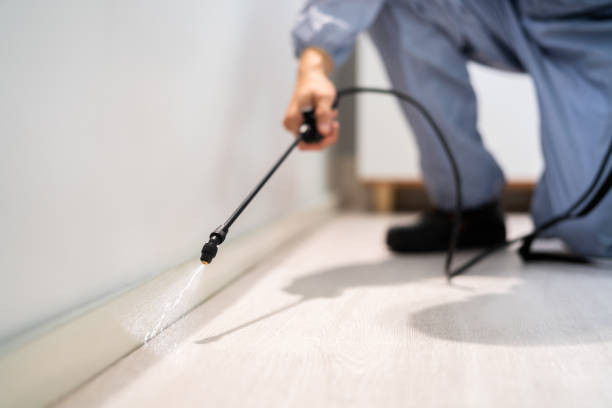
Residual insecticide applied precisely inside the crevices, gaps, and structural joints where pests harbor — not broadcast across open surfaces. This targeted method maintains effectiveness longer and places product where it actually contacts the population.
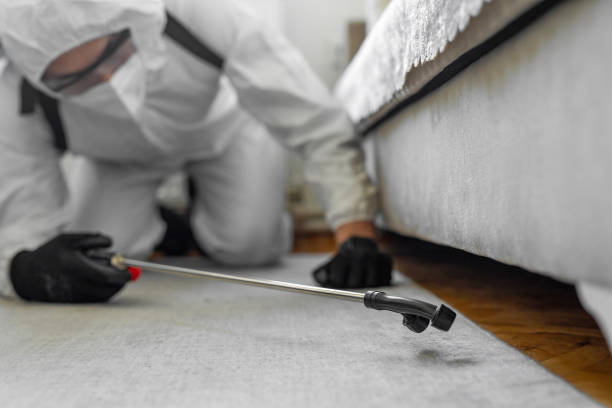
Insecticide dust applied into wall and floor voids reaches harborage zones inside the structure — the locations where most sustained infestations actually live. This is the capability that makes the difference on re-infestation cases in Emory.
Eliminating the current population is one part of the job. Sealing the entry points that allowed it to establish is the step that prevents the next one. Show Me Pest Control's exclusion service addresses the structural gaps identified during the inspection — pipe penetrations, door sweeps, foundation gaps, and utility entry points.
A managed commercial exterminator program from Show Me Pest Control provides scheduled treatment, rotating product protocols to prevent resistance, and complete service documentation for health inspection and regulatory compliance in Emory and throughout Emory, TX.
The job is not finished when treatment is applied — it is finished when a return inspection confirms population collapse. We place monitoring stations, return at the scheduled interval, and compare activity levels to the pre-treatment baseline before declaring clearance.
The same four-step protocol whether you are a homeowner or a commercial property manager.
Real situations, documented outcomes from Emory and Emory, TX customers.
I had been paying a national chain monthly for almost two years. Every month they came out, sprayed, and activity was back within a week. The first time Show Me Pest Control came out, the technician produced a written map with four harborage zones the previous company had never found or treated. Third visit: completely cleared. I wish I had called sooner.
What I had spent on products over four months would have covered the entire professional treatment twice over. The technician identified the harborage in under fifteen minutes — a gap in the plumbing penetration that I had caulked on the visible side but not the interior side of the wall. Void injection with insecticide dust. The problem is gone.

Running a food service operation means the documentation is not optional. When I called Show Me Pest Control, they knew exactly what format the service records needed to be in. The inspection report, the treatment log, the technician credentials — everything was organized and ready for the health inspection. Passed clean. The service and the paperwork both hold up.

IPM stands for Integrated Pest Management, and for Show Me Pest Control exterminator services in Emory it means following a documented sequence: species ID, harborage mapping, threshold assessment, targeted treatment, and post-treatment verification. The goal is not just killing visible pests but locating and eliminating the population source so the infestation does not re-establish. It is a process, not a product.
A spray service treats the surfaces pests cross. A professional exterminator in Emory treats the zones where pests live. That difference in application location — crack-and-crevice versus open surface, void injection versus broadcast spray — is why professional exterminator results last longer than standard spray visits. The other key difference is follow-up: Show Me Pest Control schedules a verification visit to confirm clearance before closing the job, which most spray services do not include.
A thorough IPM assessment for a residential property typically takes 30 to 60 minutes, depending on property size and the complexity of the infestation. Commercial properties may take longer based on the number of areas requiring inspection. The assessment is the part of the process where most of the outcome is determined — rushing it produces an incomplete picture and less effective treatment.
Yes. Void injection and dust application into wall cavities, crawl spaces, attic spaces, and sub-floor voids is a standard part of Show Me Pest Control's exterminator capability in Emory. These treatments require specific equipment and training to perform correctly, and they are the step that separates documented clearance from ongoing surface treatment. If the harborage assessment identifies activity in a structural void, that void gets treated.
Show Me Pest Control backs every exterminator treatment in Emory with a guarantee that includes a re-service visit at no additional charge if activity is confirmed between scheduled visits. The terms are explained during the assessment and are part of the service agreement. Our verification visit protocol is the foundation of the guarantee — because we measure population levels before declaring clearance, we know when clearance has actually been achieved.
For most residential exterminator jobs in Emory, pricing reflects the inspection findings and the treatment scope — there is no accurate number that applies before seeing the property. Show Me Pest Control provides written quotes after the IPM assessment. You see the scope, the method, and the cost in writing before approving any work. Call +1-866-315-0243 to schedule the assessment in Emory.
Show Me Pest Control dispatches IPM-certified exterminators to Emory and throughout Emory, TX. Written assessment, targeted treatment, documented verification — no shortcuts.
Show Me Pest Control provides certified exterminator services throughout Emory and across Emory, TX. Residential, commercial, and industrial properties welcome. Call +1-866-315-0243 to confirm service in your area and schedule an IPM assessment.